
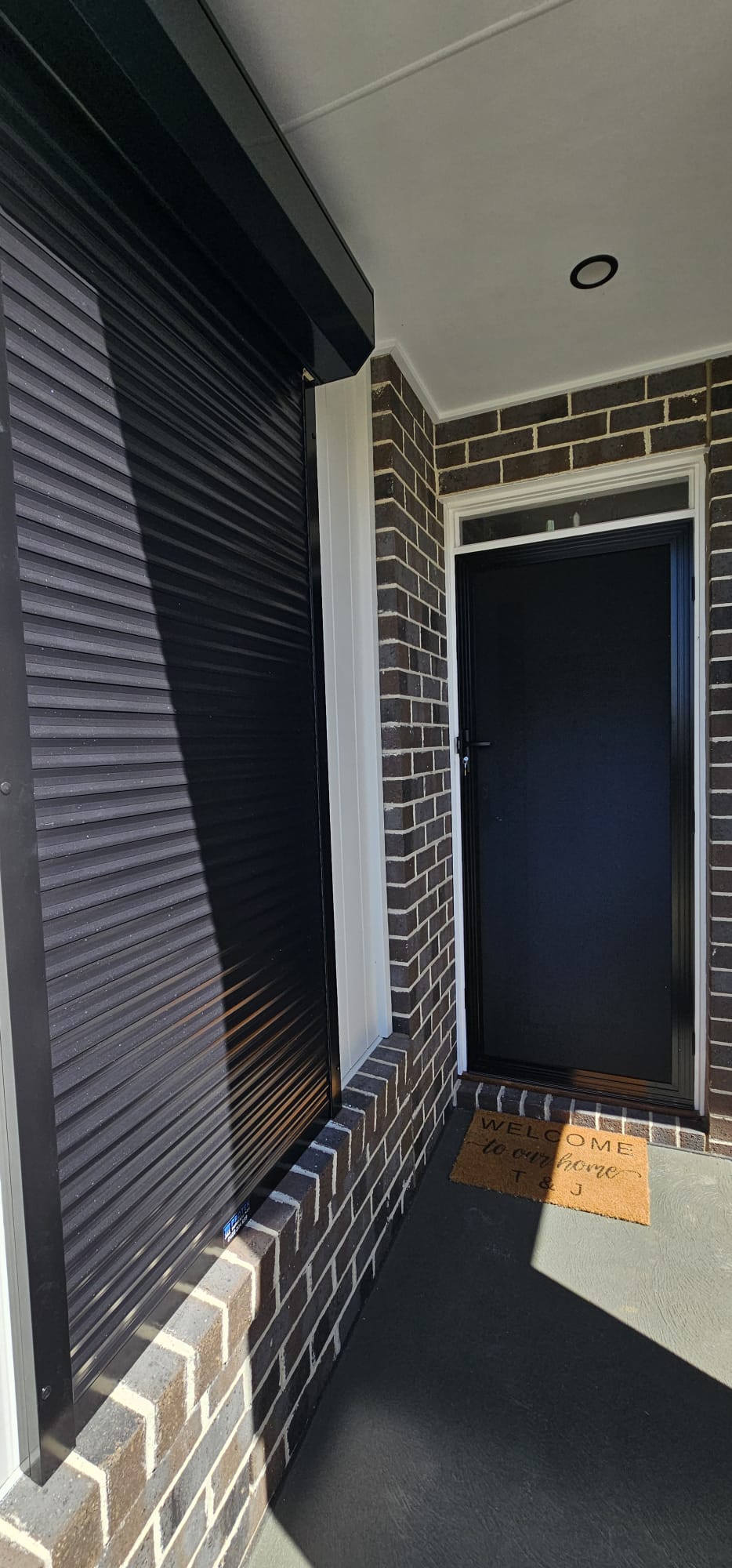
More than 40% of home injuries involving toddlers happen around doors, entryways, or home access points. That number stays with you, especially if you’ve ever tried to keep a fast-moving toddler or a door-scratching dog safe inside the house. Kids explore. Pets escape. And your doors, more than any other part of your home, take the brunt of it.
This is why so many families turn to security doors for day-to-day safety, not just break-in protection. In fact, steel security doors that homeowners in Sunbury or anywhere in Melbourne now choose are designed to handle both: intruders and enthusiastic small humans or pets who are determined to push boundaries. After working with many clients across the suburbs, I’ve seen a clear pattern: the right security doors for Melbourne homes install make the household calmer, safer, and surprisingly more convenient.
This guide walks you through the why, what, and how of using security doors to child-proof or pet-proof your home, backed by practical tips, real-world scenarios, and features to look for.
Why Security Doors Are Critical for Child & Pet Safety
Children and pets behave in similar ways when it comes to doors. They run towards them, push them, scratch them, and test them constantly! A regular flyscreen or timber door simply isn’t designed for this level of daily impact.
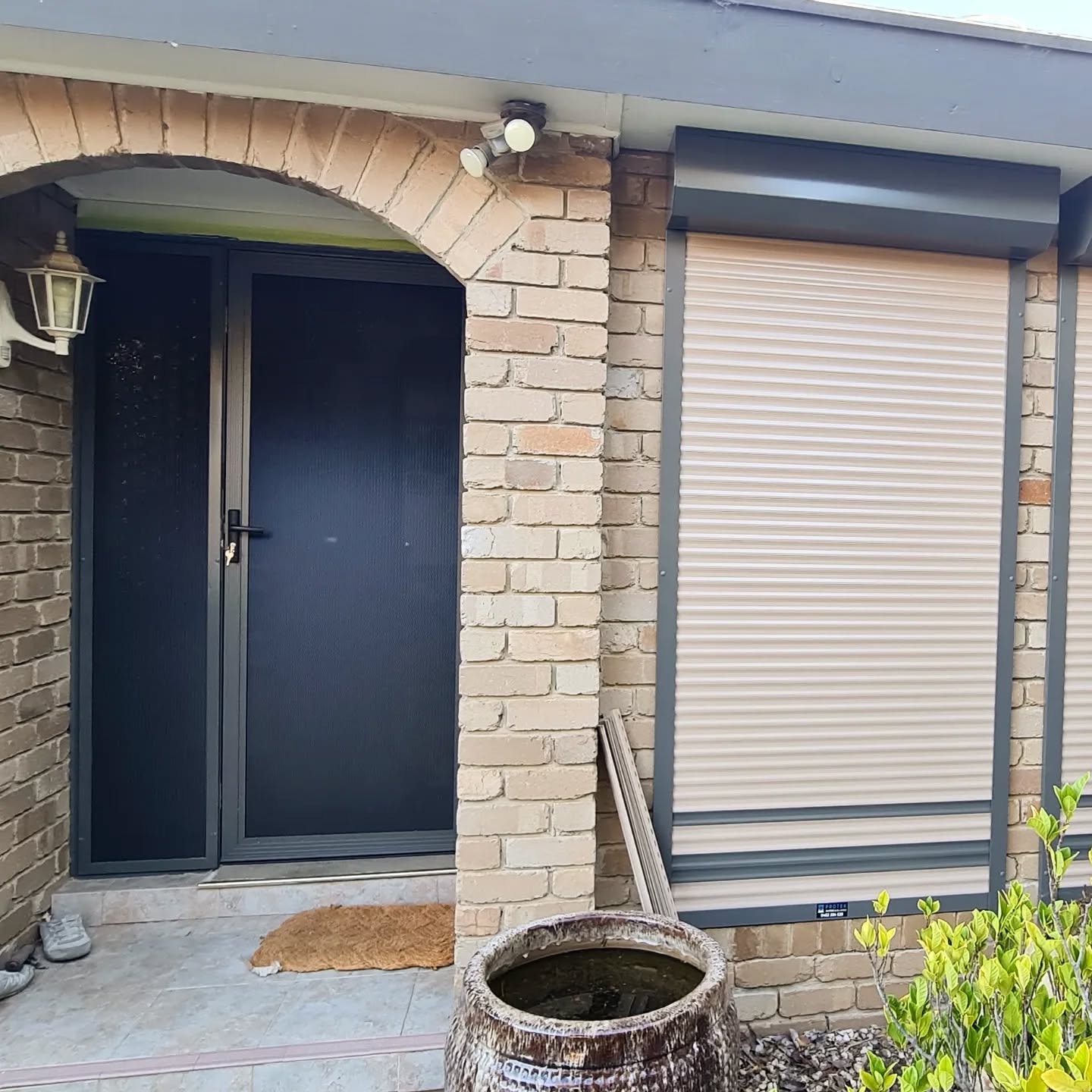
Security doors provide a triple layer of protection:
- Prevents accidental outdoor escape
- Stops children or pets opening or damaging the door
- Allows safe ventilation without compromising safety
- But that’s just the starting point.
Why Regular Doors Fail
Most standard front and back doors aren’t reinforced for child or pet behaviour. Common weaknesses include:
- Lightweight mesh that tears easily
- Simple push-button locks toddlers learn to open
- Weak frames that warp when kicked or leaned on
- Screens that bend under pet claws
- Gaps wide enough for pets to slip through
Security doors, especially steel security doors brands offer, fix all of these weaknesses by design, not by accident.
How Security Doors Keep Kids Safe (and Why That Matters)
Toddlers and young children don’t understand danger. To them, the outside world is just an extension of their play area. That curiosity can quickly turn into risk when doors aren’t secure.
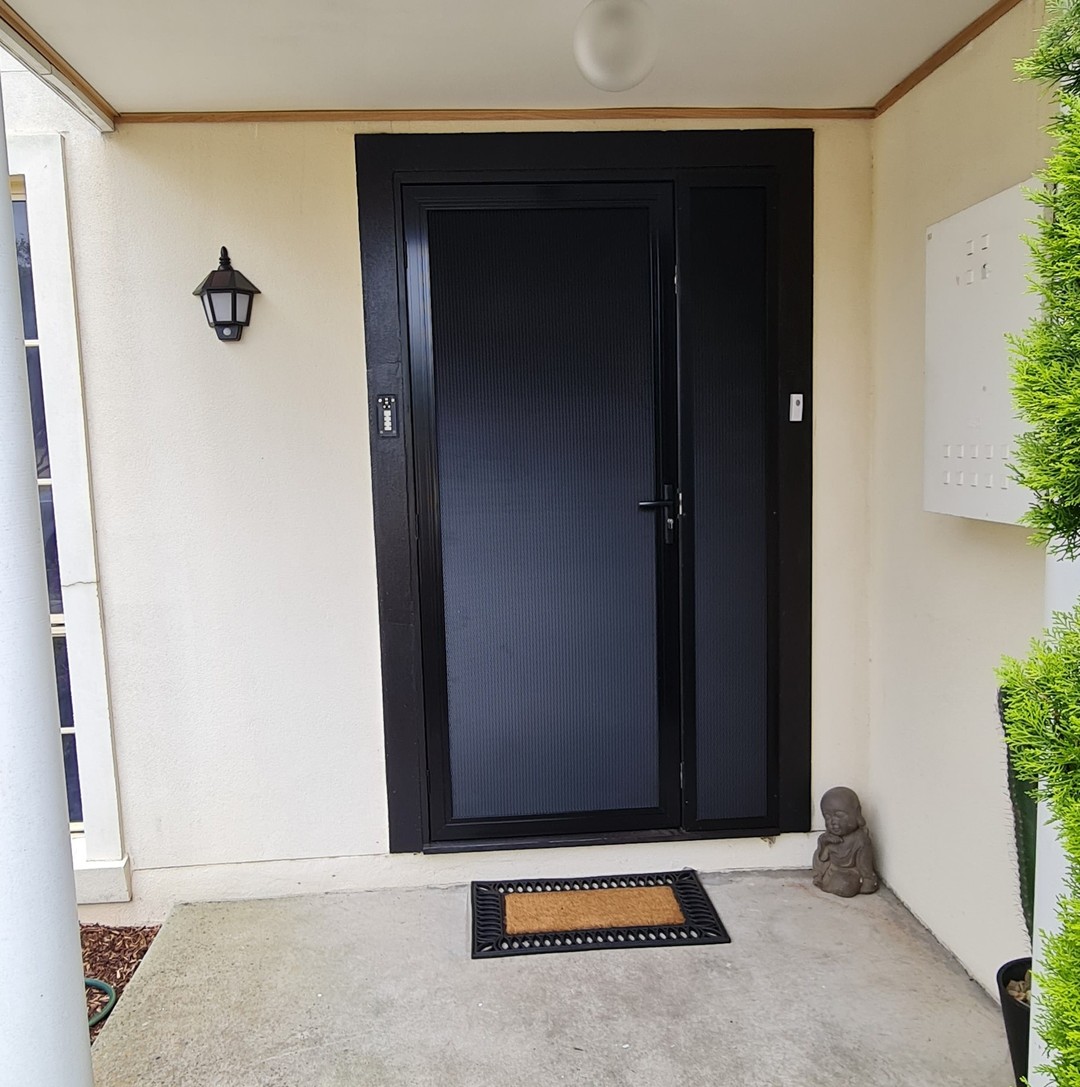
Preventing Accidental Escapes
One of the most common reasons families upgrade to high-quality security door options in Melbourne is simple: toddlers can open normal doors shockingly early. Some as young as 18 months can work out thumb-turn locks.
A security door adds:
- Secondary locking systems out of reach
- Child-proof locking mechanisms
- Heavy-duty frames that resist pushing or pulling
- Mesh visibility, so you can see your child before opening
- This combination significantly reduces escape incidents.
Protecting Tiny Fingers
Finger injuries at doors are more common than most parents realise. Security doors help by:
- Staying firmly aligned due to reinforced frames
- Reducing slamming due to stronger hinges
- Ensuring the mesh area remains fixed and unreachable
Parents often notice a reduction in door-related injuries within weeks of installation.
Allowing Fresh Air Without Compromising Safety
Children nap better. Homes feel calmer. Indoor air stays healthier.
Security doors allow you to ventilate spaces without:
- Leaving the front door open
- Risking a toddler slipping out
- Compromising security in any way
Opening your front door all day suddenly becomes safe.

How Security Doors Improve Pet Safety and Behaviour
Pets aren’t just “furry family members”, they’re unpredictable, instinct-driven boundary testers. Dogs rush towards the street. Cats climb and squeeze into dangerous spaces. Birds, rabbits, and small pets bolt through open gaps.
Here’s how the right door prevents these issues.
Protecting Pets From Running Out
Every vet will tell you this: fast-moving pets + open doorways = danger.
Security doors keep pets safely contained by offering:
- Impact-resistant mesh that resists pushing, leaning, and clawing
- Secure latches stronger than standard screen doors
- Reinforced frames that don’t flex under pressure
Many customers report that their dogs stop pacing at doors once a solid security door is installed. They understand the physical boundary and settle much faster.
Reducing Door Damage
Chewing. Scratching. Jumping. Claw marks. Bite marks. Torn flyscreens.
If you’ve had pets for more than a week, you know the list!
Security doors minimise this damage by using:
- Marine-grade stainless steel mesh that won’t tear
- Powder-coated steel frames that resist scratches
- Heavy-duty kick panels for dogs who jump
It’s a long-term cost saver, both for repair and replacement.
Allowing Safe Observation of the Outdoors
Pets love looking out the door. It’s their entertainment channel.
Security doors provide:
- Clear visibility
- Strong protection
- Secure barriers
Your pet can enjoy the front porch view… without ending up on the road.
What to Look for When Choosing a Child-Proof or Pet-Proof Security Door
Not all security doors offer the same level of safety. And not every feature is necessary for every household. The key is choosing the door that meets your family’s real day-to-day needs.
Below is a balanced combination of explanatory paragraphs + light list elements for clarity.
Strong, Pet-Resistant Mesh
When choosing the steel security doors suppliers in Melbourne offer, make sure the mesh is:
- Marine-grade stainless steel
- Impact tested
- Resistant to claws and chewing
This prevents tearing, bending, and escape attempts.
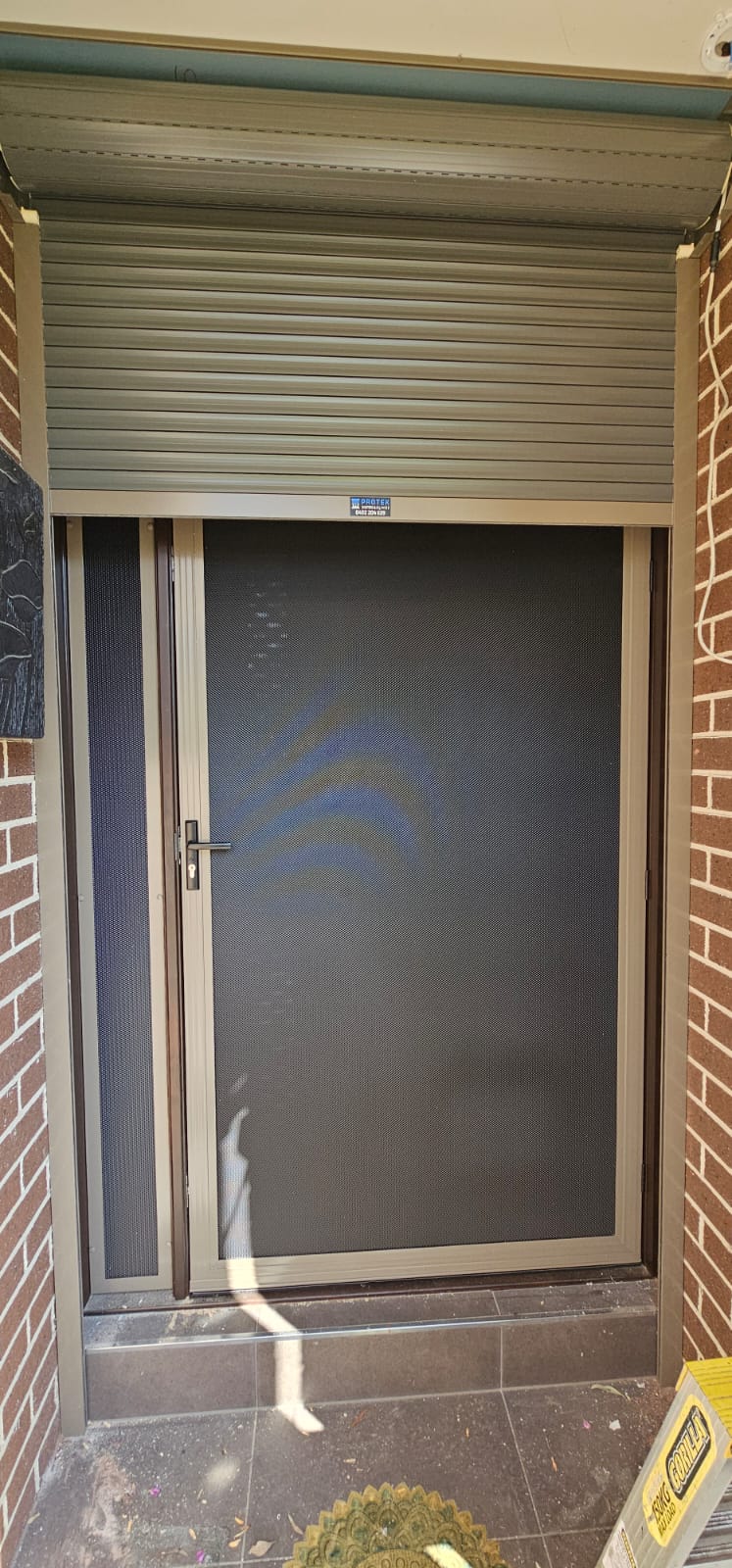
Reinforced Steel Frame
The frame should:
- Withstand kicking, pushing, or leaning
- Stay aligned under pressure
- Resist bending when pets jump
A strong frame is the difference between long-term performance and constant repairs.
Child-Safe Locking Mechanisms
Look for locks that offer:
- Multi-point locking
- Key-only or height-adjusted access
- Anti-tamper designs
These features keep curious toddlers from opening the door.
Self-Closing Hinges
A small feature, but a powerful one.
Self-closing hinges:
- Prevent the door being left open
- Stop pets darting out
- Reduce slamming
- Protect children’s fingers
They add everyday convenience too.
Minimal Gaps and Tight Fittings
Pets are escape artists.
Children are opportunists.
Small details such as:
- Tight mesh fitting
- Narrow gaps
- Secure bottom sweep seals
…prevent paws, noses, or fingers from slipping into dangerous spaces.
How to Use Security Doors Effectively for Child & Pet Safety
Choosing a security door is one thing. Using it effectively is another. Here is how families can get the most out of their investment.
Keep the Main Door Open During Daytime
This encourages ventilation while keeping children and pets secure behind the locked security door.
Use the Door as a Training Boundary for Pets
Dogs quickly learn:
“Security door closed = I stay inside.”
“Door open = I wait.”
This massively reduces behavioural issues over time.
Install Height-Appropriate Locks
For toddler-heavy homes, locks should be:
- Installed at adult height
- Firmly fastened
- Out of direct reach of climbing surfaces
Combine With Other Home Safety Measures
Security doors work best when paired with:
- Baby gates
- Outdoor fencing
- Non-slip flooring
- Clear entry zones
The door becomes part of a broader home safety system.
Conclusion
Child-proofing and pet-proofing your home doesn’t have to be stressful, complicated, or filled with constant “What if?” worries. The right security doors turn your entryways into controlled, safe boundaries, while still giving you airflow, visibility, and peace of mind.
Modern steel security doors that homeowners rely on are built for far more than intruder protection. They stop toddlers from sneaking out. They prevent dogs from bolting onto the street. They protect your front door from scratches and damage. And they give your home a strong, reliable safety layer that works every single day.
If you’re serious about creating a safer home for kids, pets, and your own peace of mind, upgrading your security doors in Melbourne is one of the smartest and most practical decisions you can make.