
In Melbourne, window upgrades aren’t just about looks anymore. According to housing efficiency data, windows are responsible for nearly 40% of a home’s heat loss and up to 87% of heat gain during summer. That single stat explains why roller shutters continue to surge in demand, yet one assumption still trips people up.
Roller shutters don’t always have to go outside.
More homeowners in Melbourne are now choosing roller shutters inside windows for reasons that go beyond compliance or aesthetics. Privacy. Noise reduction. Thermal comfort. Practical constraints. Indeed, intelligent design decisions are crucial.
Let’s talk about internal roller shutters in a clear way, covering when they make sense, how they work, and where they really do better than other options without making it too complicated.
Understanding Internal Roller Shutters
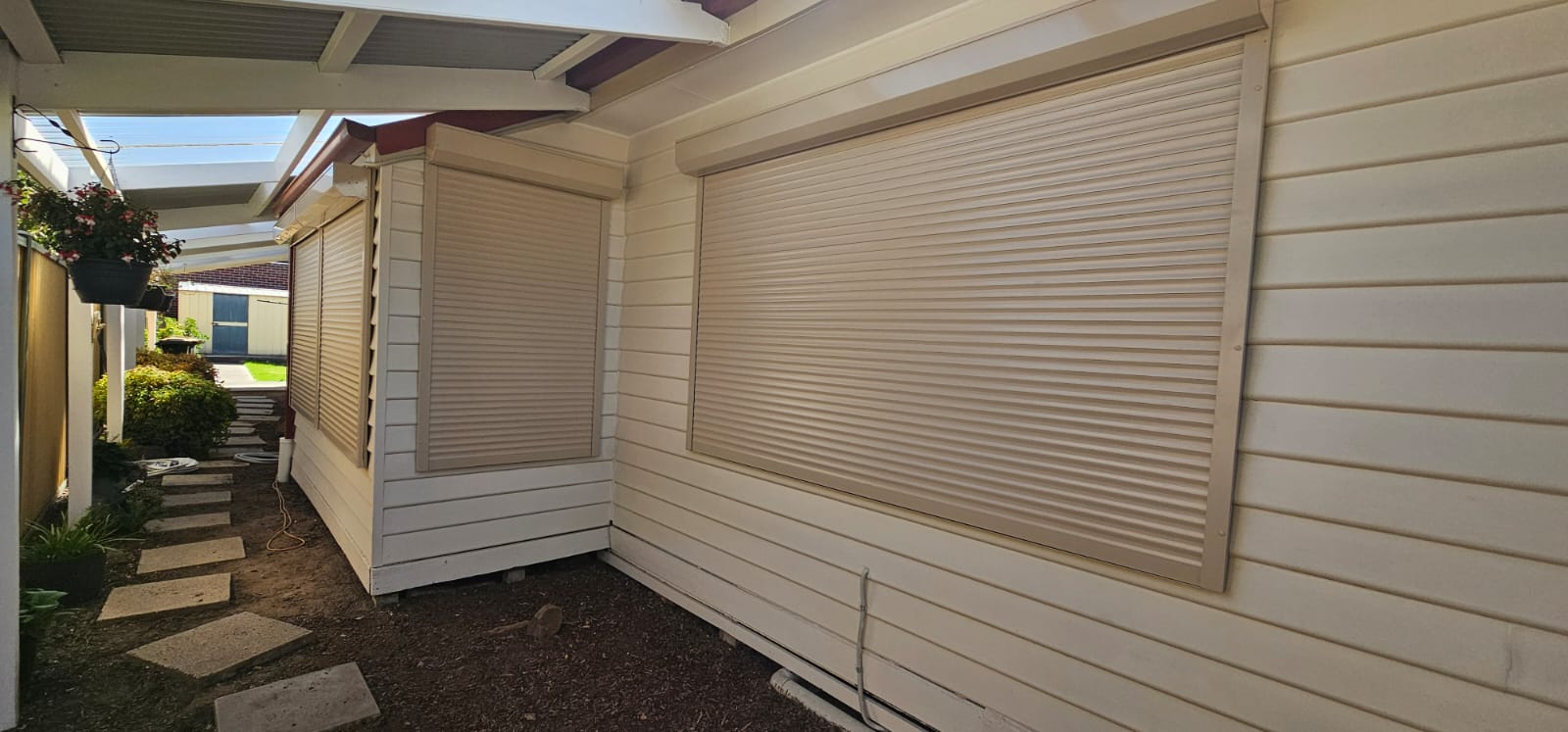
Indoor roller shutters, also known as internal window roller shutters or indoor roller shutters, are systems that are put in a building, either in the window reveal or above the internal frame.
They work like outside shutters, but they are made to work inside. More and more homes in Melbourne are using these systems because they can’t be installed outside, aren’t practical, or aren’t needed.
Unlike curtains or blinds, internal roller shutter systems create a sealed layer between the glass and the room. That single design feature is what drives most of their performance benefits.
Why Homeowners Choose Roller Shutters Inside Windows
Internal installation is rarely a compromise, it’s often a strategic decision.
Key reasons Melbourne homeowners opt for internal shutters include:
- Restrictions from strata, body corporate, or heritage overlays
- A desire to preserve the exterior appearance of the home
- Need for improved privacy in street-facing or close-proximity properties
- Noise reduction in high-density or traffic-heavy areas
- Additional insulation without altering façades
For apartments and townhouses, roller shutters for interior windows are often the only permitted solution.
Performance Benefits of Internal Roller Shutters
Internal shutters perform differently from external ones—but in many areas, they still deliver impressive results.
Thermal Insulation and Energy Efficiency
Windows are thermal weak points. Thermal insulation roller shutters for the inside of a building keep heat from moving by trapping air between the glass and the shutter.
Benefits include:
- More stable indoor temperatures
- Reduced reliance on heating and cooling
- Noticeable energy savings over time
While external shutters stop heat before it reaches the glass, internal shutters still significantly slow thermal exchange—especially in bedrooms and living areas.
Noise Reduction in Urban Homes
Melbourne’s density brings vibrancy—but also noise.
If you install window shutters inside, they can cut down on sound penetration by 30% to 50%, depending on the material and how well they are installed. This makes them very useful for:
- Apartments near roads or rail lines
- Shift workers sleeping during the day
- Home offices requiring quiet
For many homeowners, this benefit alone makes the investment worth it.
Privacy and Light Control
When closed, internal shutters for privacy block all light, unlike sheer curtains or blinds.
They provide:
- Total daytime and nighttime privacy
- Full blackout capability
- Adjustable light control depending on design
This is particularly useful for bedrooms, bathrooms, and street-facing windows.
Added Security Layer
External shutters are the best way to keep people out, but indoor security shutters still help keep your home safe.

They:
- Make glass stronger so it can’t be broken into
- Slow down intruders
- Give you peace of mind while you sleep or are away for a long time
A lot of homeowners use them along with alarms and locks as part of a layered security system.
Internal vs External Roller Shutters: A Practical Comparison
Before making a choice, it’s important to know the difference between internal and external roller shutters.
| Feature | Internal Roller Shutters | External Roller Shutters |
| Installation Approval | No council or strata approval required | Often requires approval |
| Thermal Performance | Moderate to high insulation | Maximum insulation |
| Noise Reduction | High (especially indoors) | Moderate |
| Security Deterrence | Internal reinforcement | Strong visual deterrent |
| Weather Protection | Not applicable | Excellent |
| Aesthetic Impact | Discreet interior finish | Visible exterior change |
| Maintenance | Minimal | Moderate (weather exposure) |
This table alone explains why searches for internal roller shutter pros and cons continue to rise across Melbourne.
Installation Considerations and Process
Installing internal shutters is not a DIY task. Precision matters.
When a professional installs an internal roller shutter, they usually do the following:
- Measurements of the windows that are right
- Evaluation of the mounting location (recess or face mount)
- Choosing between manual and motorised operation
- Testing for alignment to make sure it runs smoothly and quietly
To learn how to put up indoor roller shutters, you first need to know how your windows are made. Before recommending any system, experienced roller shutter installers in Melbourne look at this first.
Cost Expectations in Melbourne
Pricing is a common concern and understandably so.

Internal roller shutters cost depends on:
- Window size
- Shutter material
- Manual vs motorised operation
- Custom finishes
Typical Melbourne pricing ranges:
- Manual systems: $450–$900 per window
- Motorised systems: $800–$1,500+ per window
When homeowners ask, how much do indoor roller shutters cost in Melbourne?, the real answer is value-based. Well-installed shutters reduce energy bills, improve comfort, and last for years.
Suitability for Different Property Types
Internal shutters are not one-size-fits-all, but they work exceptionally well in certain settings.
Apartments and Units
Internal roller shutters for apartments avoid external alterations and strata approval entirely.
Heritage Homes
They preserve period façades while upgrading comfort and insulation.
Bedrooms and Media Rooms
Blackout and noise reduction benefits are maximised here.
Home Offices
Improved focus, reduced glare, and temperature control.
Related: How Modern Roller Shutters Protect Your Melbourne Home
Effectiveness and Realistic Expectations
Are internal roller shutters effective?
Yes, when used for the right reasons.
They excel at:
- Privacy
- Light control
- Noise reduction
- Insulation
- Internal security reinforcement
They are less effective for:
- Storm protection
- External vandal deterrence
- Preventing solar heat before it reaches the glass
Knowing this difference will keep you from being disappointed and help you choose the right solution.

Are Internal Roller Shutters Worth the Investment?
For many Melbourne homeowners, the answer is a confident yes.
They are particularly worthwhile when:
- External shutters aren’t permitted
- Privacy is a priority
- Noise reduction is essential
- Energy efficiency matters year-round
Questions like is it worth putting roller shutters inside or should roller shutters be installed inside or outside don’t have universal answers, but they do have informed ones.
Making the Right Choice in Melbourne
It’s not just the product that matters when choosing the right shutter system; it’s also the installer.
Working with experienced roller shutter installers in my area makes sure that:
- Honest guidance
- Correct product selection
- Clean, durable installation
- Long-term performance
Professional advice makes a big difference when you’re looking at internal systems, window roller shutters in Melbourne, broader roller shutters, or even suburb-specific options like roller shutters in Epping.
Final Takeaway
Putting roller shutters on the inside of your windows isn’t a quick fix; it’s a well-thought-out solution.
Internal shutters offer real, measurable benefits for Melbourne homes that have noise, privacy, or insulation problems. When chosen carefully and put in by a pro, they make the home more comfortable, efficient, and safe without changing the outside.
That’s not a compromise.
That’s smart design.